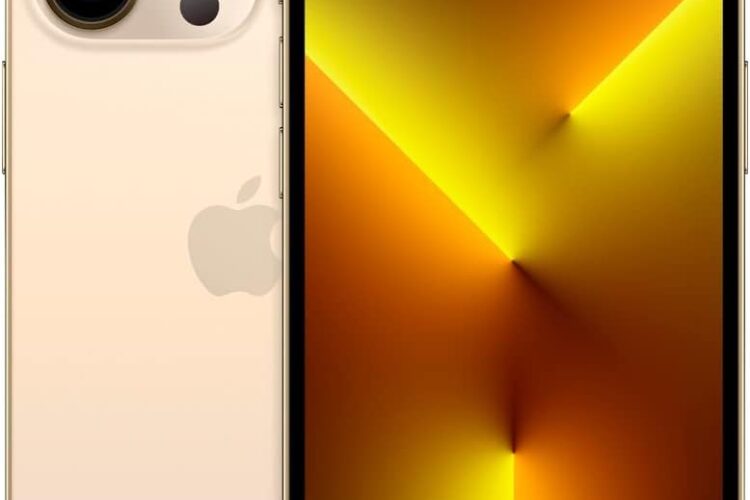
The smartphone landscape shifts rapidly, with manufacturers releasing new models annually that incorporate technological advances and feature improvements. The iPhone 13 Pro Max, released in 2021, represents a previous-generation flagship device that continues functioning effectively despite newer models being available. For individuals considering purchasing or using this device, understanding its capabilities, limitations, and the specific implications of carrier locking provides essential context for making informed decisions.
The designation “locked to Cricket” carries significant practical implications that differ from unlocked devices. Cricket is a prepaid wireless carrier operating on the AT&T network infrastructure. A device locked to Cricket can only operate using Cricket’s service and SIM card, preventing use with other carriers without carrier intervention. This represents a meaningful constraint compared to unlocked devices that work with any compatible carrier.
This article explores the iPhone 13 Pro Max comprehensively, examining its hardware capabilities, practical applications, important considerations regarding the carrier lock situation, and how it functions within the broader smartphone market. Rather than making recommendations or claims about superiority, we’ll focus on providing factual information that helps readers understand what this device offers and whether its capabilities and constraints align with specific needs and circumstances.
Understanding the Hardware and Technical Foundation
Display Technology and Screen Characteristics
The iPhone 13 Pro Max features a 6.7-inch Super Retina XDR display, positioning it among the larger smartphones available. This size provides substantial screen real estate for content consumption, photography, video watching, and text-intensive work. For individuals accustomed to standard-sized phones, the increased screen space becomes noticeable and generally appreciated, though one-handed operation requires deliberate positioning to reach all screen areas comfortably.
The ProMotion technology enables variable refresh rates up to 120Hz, making scrolling through content and navigating between applications appear smoother than standard 60Hz displays. The refresh rate adjustment occurs dynamically based on content being displayed, which helps manage battery consumption compared to displays that continuously operate at maximum refresh rates. For gaming and fast-paced interactive applications, the higher refresh rate creates noticeably smoother motion.
The brightness levels in Super Retina XDR displays provide adequate performance in bright outdoor lighting conditions where many phones struggle with readability. The display covers a wide color gamut, reproducing colors accurately for photography, video watching, and content creation. For professionals images or video footage on-location, the color accuracy and brightness provide practical advantages for assessing work quality.
The screen technology incorporates HDR support, enabling compatible content to display with enhanced contrast and detail. Streaming services, downloaded movies, and high-quality video content display with improved visual quality on HDR-capable screens compared to standard displays.
Material Construction and Physical Design
The iPhone 13 Pro Max uses stainless steel for the frame, providing structural support and protection for internal components. Stainless steel resists corrosion compared to aluminum alternatives, maintaining appearance and functionality through years of daily use. The material weight contributes to the premium feel many users associate with flagship devices.
The back panel consists of Ceramic Shield glass, engineered for improved drop resistance compared to standard glass. While breakable under sufficient impact, Ceramic Shield demonstrates greater durability than typical glass panels, increasing the likelihood of surviving accidental drops without cracking.
The Gold finish represents one of several color options available. Metallic finishes like Gold can show fingerprints more visibly than matte or darker colors, requiring more frequent cleaning to maintain appearance. However, many users find the warm Gold tone aesthetically appealing and appreciate the distinctive appearance it provides compared to darker finishes.
The flat-edged design differs from the curved edges found in some competing phones, affecting how the device feels during holding. The flat edges provide slightly more gripping surface compared to curved designs, which some users find more comfortable during extended handling.
Processing Power and Performance Architecture
The iPhone 13 Pro Max incorporates Apple’s A15 Bionic processor, which represents the processing generation from 2021-2022. While not the absolute latest processor available, the A15 remains capable of handling demanding applications smoothly. For context, processor performance matters primarily in specific scenarios rather than affecting everyday task execution.
The device includes 6GB of RAM as standard, managing how applications run in memory and how smoothly the system handles multitasking between applications. RAM availability determines how many applications can operate in background memory simultaneously. For typical usage patterns, 6GB provides adequate headroom, though running numerous demanding applications simultaneously may cause the system to manage resources more actively.
Real-world processor performance differences between this generation and current flagships matter primarily in three contexts. First, the device runs current applications smoothly, though developers will eventually optimize specifically for newer processors, potentially affecting performance of the absolute newest applications several years in the future. Second, gaming and graphics-intensive applications run smoothly, though games optimized specifically for newer processors may display reduced graphics quality. Third, processing-intensive work like video editing or batch photo processing completes at different speeds compared to newer processors, though the difference is often measured in seconds rather than minutes for typical tasks.
The processor efficiency and battery capacity support full-day typical usage. Actual battery endurance depends significantly on individual usage patterns—intensive screen usage, navigation with persistent location services, and running demanding applications drain batteries faster than lighter usage with frequent idle periods.
Storage and the 128GB Constraint
The 128GB storage variant represents the base capacity for this model. For context, 128GB of storage accommodates approximately 500 to 800 high-resolution photos depending on format, depending on format and settings—multiple hundred hours of music, or several hundred applications. The practical capacity available for user content is somewhat less due to the operating system and preinstalled applications consuming space.
The 128GB capacity represents a significant consideration in modern smartphone usage. Users maintaining extensive personal photo libraries, downloading movies or television shows for offline viewing, or installing numerous applications may find themselves managing storage regularly, deleting content to maintain operation, or relying on cloud services for storage expansion.
A critical distinction specific to Apple’s approach: storage cannot be expanded through microSD cards or other removable storage solutions. The capacity selected at purchase represents the absolute maximum available throughout the device’s operational lifetime. Users exceeding available storage must manage content deletion or subscribe to cloud storage services that incur ongoing monthly costs.
Camera System and Photographic Capabilities
The camera system represents a primary area where Pro models differentiate from standard iPhones. The iPhone 13 Pro Max includes multiple lenses: a primary wide-angle camera, an ultra-wide lens, and a telephoto lens. This configuration enables photographers to capture different perspectives without physically repositioning or resorting to lower-quality digital zoom.
The primary camera handles most standard photography with automatic exposure metering, white balance adjustment, and focus tracking. Computational photography processes images in real-time, enhancing exposure accuracy and color reproduction. For casual photographers, these automatic features produce properly exposed, well-balanced images without requiring manual adjustment.
The ultra-wide lens captures scenes with an expanded field of view, roughly 120 degrees compared to the primary camera’s approximately 77-degree perspective. This proves valuable for landscape photography, architectural documentation, and situations where stepping backward isn’t possible.
The telephoto lens provides 3x optical magnification, enabling zoomed compositions without quality loss that accompanies digital zoom. For portrait photography, the compression effect of telephoto lenses creates naturally flattering perspectives, making the telephoto valuable specifically for portrait work.
Night mode represents a notable camera capability specific to Pro models that significantly improves low-light photography. The computational processing captures multiple frames and combines them to create well-exposed images in lighting conditions where traditional cameras produce dark, noisy results. For individuals frequently photographing indoors, at evening events, or in dimly lit venues, this capability provides noticeable practical improvement.
ProRAW image capture available on Pro models records images with greater color depth and processing flexibility, enabling advanced post-processing work that would be impossible with standard image formats. This feature appeals primarily to photography professionals and serious enthusiasts doing significant image editing.
Video recording capabilities support various standards and frame rates. Cinematic mode, introduced in this generation, simulates camera focus effects during video recording, keeping subjects sharp while blurring backgrounds—an effect previously requiring separate equipment. The stabilization system reduces motion blur, making handheld video appear smoother than it would without processing.
Battery and Charging Infrastructure
The larger device accommodates a larger battery compared to standard iPhone models, enabling longer operation between charges. Typical usage patterns result in full-day endurance, though battery longevity varies significantly based on individual usage intensity. Users with constant screen-on time, location services always active, and intensive application use may require midday charging, while lighter users might extend to longer intervals.
Battery capacity degrades gradually through charging cycles. After approximately three years of daily charging, batteries typically retain about 80% of original capacity. iOS includes battery health monitoring that displays current capacity compared to original specification. As capacity diminishes, the device operates for less time between charges. Replacement batteries are available through Apple’s service channels, though aging batteries represent an eventual consideration for long-term device ownership.
The device supports USB-C charging in current-generation iPhones, though specific charging implementation varies. Wired fast charging reduces time to full charge compared to standard charging speeds. Wireless charging through MagSafe enables cordless charging on compatible chargers, which some users find more convenient than managing cables.
Specific Implications of the Cricket Carrier Lock
Understanding Carrier Locking
A device locked to Cricket can only operate using Cricket’s service and SIM card. The device will not function with any other carrier’s SIM card until the carrier releases the lock, a process called unlocking. This constraint represents a fundamental difference from unlocked devices that work freely with any compatible carrier.
Cricket operates on the AT&T network infrastructure, meaning the device accesses AT&T’s cellular network while using Cricket service. Cricket provides prepaid wireless plans without contracts, appealing to users preferring pay-as-you-go arrangements over long-term carrier commitments.
Limitations and Carrier Switching Implications
If you own this device and subsequently wish to switch carriers, you would need to request that Cricket unlock the device—a process they may or may not complete depending on their current policies and your account status. Even after unlocking, switching carriers involves obtaining a new SIM card and potentially adjusting plan details.
For international travel, a locked device presents challenges. Using local SIM cards in other countries requires either requesting unlock before traveling or maintaining Cricket service abroad, which typically incurs expensive international roaming charges. Travelers with locked devices often find international usage impractical without addressing the lock situation first.
Cricket as a Wireless Service
Cricket Wireless operates as a prepaid carrier, offering month-to-month service without long-term contracts. Prepaid plans provide flexibility for adjusting service level or discontinuing service without penalty. However, prepaid carriers typically offer fewer perks and benefits compared to major carriers, and customer service interactions may differ from traditional carriers.
Cricket’s coverage uses AT&T’s network infrastructure, meaning coverage areas match AT&T’s network. Network quality and speed depend on AT&T’s service quality in specific locations, not Cricket-specific infrastructure. For individuals in areas with good AT&T coverage, Cricket service operates adequately; in areas with poor AT&T coverage, Cricket service mirrors those limitations.
Practical Applications and Everyday Usage Scenarios
Photography and Content Creation
The multi-lens camera system enables photographers to pursue creative work without carrying separate equipment. The night mode capability proves particularly valuable for event photography, low-light portraiture, and photography in dimly lit environments. Professional and serious hobbyist photographers can leverage manual controls through professional photography applications to adjust focus, exposure, and other parameters.
Content creators producing images for social media, blogs, or professional portfolios can capture material with characteristics previously requiring separate camera equipment. The telephoto lens excels for portrait work, the ultra-wide enables landscape and architecture photography, and the primary camera handles general-purpose shooting.
Video Production and Recording
The stabilization system and various recording options support creating professional-appearing video content on a mobile device. Cinematic mode specifically enables depth-of-field effects during video recording, creating focus separation that previously required expensive cinema equipment. The frame rate and resolution options accommodate various video purposes from social media content to more formal projects.
Media Consumption and Entertainment
The large, high-quality display creates an engaging platform for watching videos, reading content, and consuming media. The brightness level enables outdoor viewing without requiring excessive brightness adjustments. The stereo speaker configuration provides adequate audio quality for movie watching and video content without connecting external speakers.
Professional and Productivity Work
The processing power handles productivity applications smoothly. Document editing, email management, spreadsheet work, and other productivity tasks execute without lag. The larger screen compared to standard iPhones provides more usable space for productivity work, reducing the need for frequent scrolling.
The always-on display feature on Pro models enables quick reference to time, date, and notifications without fully unlocking the device—a practical feature for productivity scenarios where quick information access matters.
Gaming and Interactive Applications
The processor and high-refresh-rate display support graphically demanding games smoothly. Games designed to leverage 120Hz displays showcase smoother motion compared to standard displays. The larger screen provides expanded interface space for game controls and gameplay, which some players find more enjoyable for extended sessions.
Suitable Users and Appropriate Contexts
Photography Enthusiasts Without Separate Equipment
Individuals pursuing photography as a hobby or profession benefit from the advanced camera system. The telephoto lens, night mode, and computational photography enable creative work without separate camera investment. The ability to assess images immediately on the high-quality display proves valuable for in-the-moment evaluation.
Content Creators and Creative Professionals
Video creators, photographers, and other content producers can leverage the camera capabilities and processing power for mobile content production. The stabilization system, recording options, and display quality support professional-appearing work.
Individuals Comfortable with Previous-Generation Technology
Users evaluating value based on capability rather than newness may find the iPhone 13 Pro Max performs adequately for their needs. The device remains fully functional and receives software updates, though support will eventually phase out compared to newer models.
Cricket Service Users Without Carrier Switching Intent
Individuals planning to maintain Cricket service long-term and having no intention of switching carriers face fewer limitations from the lock situation. For these users, the carrier lock is essentially irrelevant because they don’t conflict with their planned usage.
Users Valuing Large Display Screens
Individuals preferring larger screens for reading, web browsing, video watching, or any screen-based activity appreciate the 6.7-inch display. The size provides substantial viewing area, benefiting users with vision challenges or those who prefer larger content.
Budget-Conscious Buyers Seeking Previous-Generation Flagships
Users evaluating price-to-capability ratios may find previous-generation flagship devices more appealing than current flagships at premium pricing. The iPhone 13 Pro Max represents capable technology at potentially lower prices than current models.
Important Considerations and Limitations
The Carrier Lock Constraint
The Cricket lock represents a meaningful limitation that shouldn’t be underestimated. This constraint affects carrier flexibility, international travel practicality, and device resale value. Users unable to unlock the device later will find themselves bound to Cricket service for the device’s operational life.
If you plan any possibility of carrier switching, this lock represents a genuine problem. Requesting unlock from Cricket depends on their current policies—some carriers unlock readily while others impose conditions or fees.
Storage Limitations at 128GB
The 128GB capacity constrains users with substantial media collections. Photography-heavy usage, video downloading for offline viewing, or maintaining extensive application libraries leads to storage management becoming a regular concern. Cloud storage subscriptions provide alternatives but require ongoing costs.
The inability to expand storage means careful initial evaluation of storage needs matters significantly. Users who typically fill 256GB devices may find 128GB restrictive.
Aging Battery Capacity
The device will have experienced battery aging regardless of how many years have passed since release. Battery health evaluation is critical before purchasing used or refurbished devices, as degraded batteries significantly impact usability. Request battery health information if available, and understand that battery replacement may be necessary sooner than with newer devices.
Older Generation Technology
Software support for the iPhone 13 Pro Max will eventually end, though currently it remains within active support. Developers optimizing specifically for newer processors and operating system versions may eventually make applications run less smoothly. However, this remains a future concern rather than current problem.
Previous-Generation Camera Performance
While capable, the camera system represents previous-generation technology. Current iPhone 16 Pro cameras include computational improvements and additional capabilities not available in the iPhone 13 Pro. For users specifically seeking the absolute latest camera technology, this represents a limitation.
Understanding This Device Within Smartphone Categories
Comparing Smartphone Tiers
Flagship or premium smartphones occupy the highest price tiers within manufacturer lineups, incorporating advanced processing, professional camera systems, premium materials, and extended software support. Previous-generation flagships maintain these characteristics while potentially offering more attractive pricing than current flagships.
Standard-tier smartphones provide capable performance for everyday tasks at lower pricing, though they sacrifice some advanced features and build quality compared to premium options. For many users, the difference in everyday functionality between tiers is minimal, with distinctions appearing primarily in specific performance-intensive scenarios.
Mid-range devices occupy the middle ground, offering better processing and features than budget options while costing less than premium flagships. The practical value of different tiers depends on actual usage patterns and whether specific features justify premium pricing.
Generational Technology Differences
Current iPhone 16 Pro models incorporate newer processors, improved camera capabilities, and enhanced computational photography compared to the iPhone 13 Pro Max. Users with several-year-old standard iPhones experience more dramatic performance improvements upgrading to the iPhone 13 Pro Max than users with recent devices would experience.
The generational gap affects software support timeline, with newer devices receiving longer support periods. Current devices receive updates for approximately seven years, while the iPhone 13 Pro Max receives less additional support time.
Impact of Carrier Locking on Value
Carrier-locked devices typically carry lower resale value compared to unlocked equivalents due to the restriction limiting potential buyers. If you might sell the device in the future, the lock status represents a meaningful constraint on its value and marketability.
Unlocked devices appeal to broader audiences since they work with any carrier, while locked devices appeal only to users of that specific carrier. This market reality affects both purchasing price and potential resale value.
Frequently Asked Questions
How much longer will this device receive software updates?
The iPhone 13 Pro Max currently receives iOS updates, with Apple typically supporting devices for five to seven years after release. Software support will eventually end, but the device remains functional beyond support periods—applications may eventually require newer iOS versions that prevent installation.
Can this device be unlocked from Cricket’s carrier lock?
Unlocking procedures vary by carrier and depend on current policies. Cricket may unlock devices under specific circumstances—typically after meeting account requirements or completing service period minimums. Contact Cricket directly to inquire about their unlock policy for your specific device.
Is the 128GB storage sufficient for typical use?
The adequacy of 128GB depends on individual usage patterns. Users maintaining moderate photo collections, downloading some entertainment, and installing numerous applications may approach capacity. Users streaming content and maintaining minimal device storage function comfortably. Evaluate your personal usage patterns to determine sufficiency.
How does the display compare to current iPhone models?
The iPhone 13 Pro Max’s Super Retina XDR display remains high-quality and performs well compared to current standards. Current iPhone 16 displays incorporate refinements and potentially improved technology, but the differences are often subtle. The iPhone 13 Pro Max display supports excellent media consumption.
What’s the current battery health situation?
Battery health depends on how the device has been used and how long ago it was manufactured or initially sold. If purchasing a used or refurbished device, request battery health information. New devices should have near-maximum battery health. Understanding expected battery degradation—approximately 80% capacity after three years—helps set realistic expectations.
Does this device support the latest 5G technology?
The iPhone 13 Pro Max supports 5G connectivity where available. 5G availability varies by location and carrier. In areas without 5G coverage, the device operates on 4G LTE and earlier standards. Cricket’s 5G availability matches AT&T’s network in your area.
Can the camera compete with current flagship cameras?
The iPhone 13 Pro Max camera remains excellent for photography and video. Current flagship cameras include improved computational photography and additional capabilities, but the differences are often noticeable primarily when comparing specific features rather than in overall image quality for typical photography.
What happens if I travel internationally with this device?
International travel with a Cricket-locked device presents challenges. Using the device abroad requires either maintaining Cricket service (with expensive international roaming costs) or requesting device unlock before traveling to use local SIM cards. The lock situation makes international travel usage impractical for most users without addressing the lock first.
How does the performance compare to current devices?
The A15 processor remains capable but represents previous-generation technology. Current flagship devices with newer processors handle demanding applications somewhat faster, and developers eventually optimize specifically for newer processors. For typical usage, the performance difference remains minimal, with noticeable differences appearing primarily in processing-intensive tasks and newest applications.
Is this device practical for purchasing in 2026?
The iPhone 13 Pro Max remains functional and capable in 2026, receiving current software updates. However, it represents previous-generation technology with potentially reduced battery health if previously owned. New devices offer longer support periods and newer technology, while the iPhone 13 Pro Max might appeal primarily to budget-conscious buyers seeking capable flagships without current premium pricing.
Conclusion
The iPhone 13 Pro Max represents a capable previous-generation flagship smartphone with advanced processing power, professional-grade camera capabilities, and premium construction. For users whose photography benefits from the multi-lens system, whose workflows demand mobile processing power, or who value the premium materials and build quality, the device offers meaningful capabilities.
However, the device carries specific limitations that warrant careful consideration. The carrier lock to Cricket represents a genuine constraint affecting flexibility, international travel practicality, and potential resale value. The 128GB storage capacity may prove limiting for users with substantial media needs. The previous-generation technology status means extended support periods remain shorter than current devices.
The practical value of the iPhone 13 Pro Max depends on individual priorities. Users comfortable with Cricket service long-term and having no carrier-switching intent face fewer limitations from the lock situation. Photography enthusiasts benefit from the advanced camera system. Budget-conscious buyers may find the previous-generation flagship pricing attractive compared to current flagship costs.
For those interested in exploring this device further, understanding Cricket service details, or making a purchase decision. This article provides context for understanding what the iPhone 13 Pro Max offers, enabling you to evaluate whether its capabilities, limitations, and constraints align with your actual needs and circumstances.