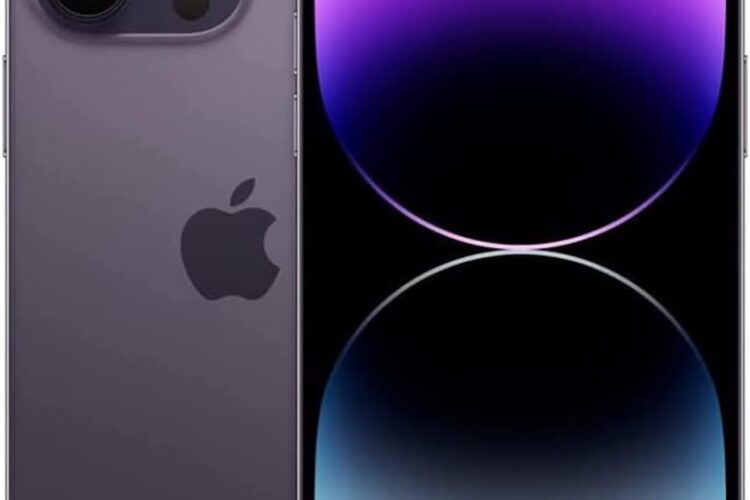
The smartphone landscape continues to evolve at a rapid pace, with manufacturers releasing new models every year that incorporate incremental but meaningful improvements to existing technology. The iPhone 14 Pro Max sits in a unique position within this market—it’s not the absolute newest offering, but it remains a capable premium device that continues to receive software support and updates. For potential buyers considering their smartphone options, understanding what this device offers, how it functions in everyday scenarios, and whether its capabilities match specific needs provides valuable context for making informed technology decisions.
This comprehensive guide examines the iPhone 14 Pro Max across multiple dimensions, from its display and camera capabilities to its processor performance and practical use cases. Rather than making recommendations or claims about superiority, we’ll focus on providing factual information about the device’s specifications, features, and the considerations that matter when evaluating a premium smartphone purchase. Whether you’re researching smartphone technology generally or evaluating options for an upgrade, this article provides context for understanding what a device like this delivers.
Understanding the iPhone 14 Pro Max Specifications
The Display Technology
The iPhone 14 Pro Max features a 6.7-inch display, positioning it among the larger smartphones currently available. This size represents a significant step up from standard-sized phones, affecting everything from how the device fits in pockets to how comfortable it feels during extended one-handed use. For individuals accustomed to smaller phones, this size requires a genuine adjustment period.
The display utilizes ProMotion technology, which enables variable refresh rates up to 120Hz. Refresh rate refers to how frequently the display updates content each second—higher refresh rates create smoother motion when scrolling through lists, navigating applications, or playing games. The variable aspect means the display intelligently adjusts between lower and higher refresh rates depending on content being displayed, which helps preserve battery life compared to displays that constantly run at maximum refresh rates.
The screen technology achieves significant brightness levels through HDR support, making it functional in bright outdoor lighting conditions where many phones struggle. The display covers a wide color gamut, meaning it can display a broad range of colors accurately. For photographers and videographers who need to review images and video footage on their device, this color accuracy becomes practically important.
One notable feature specific to the Pro models involves the always-on display capability, which shows information like time, date, and notifications without activating the full display. This feature changes how users interact with their phones throughout the day, as glancing at the locked device provides useful information without requiring a full unlock sequence.
The Dynamic Island Interface
The iPhone 14 Pro introduced the Dynamic Island, a design change replacing the traditional notch at the top of the screen. Rather than a stationary black bar, the Dynamic Island adapts and changes based on what’s happening on the device. During phone calls, it displays call information; during navigation, it shows direction guidance; during music playback, it displays now-playing information. This represents a significant interface redesign that changes how users interact with information at the top of their phones.
For some users, this adaptive interface feels intuitive and elegant, while others find the constant transformation of the top area distracting. The Dynamic Island also permits interactive elements—users can tap directly on it to control various functions without opening full applications. This means certain tasks become more efficient, reducing the need to open applications for quick interactions.
Processing Power and Performance Architecture
The iPhone 14 Pro Max incorporates Apple’s A16 Bionic processor, which at the time of its release represented the highest-tier processing capability available in a smartphone. The processor handles everything from basic functions like displaying text to complex operations like processing photographs in real-time or running demanding applications.
For context about processing power and real-world experience: most everyday smartphone tasks—texting, social media, web browsing, email—place minimal demands on processors. The difference between older processors and current flagships becomes noticeable mainly in three scenarios. First, running multiple demanding applications simultaneously taxes the processor more heavily. Second, graphically intensive games or applications designed specifically to leverage high performance show tangible improvements. Third, processing tasks like video editing, photo batch processing, or other computationally intensive work completes noticeably faster with higher-tier processors.
The device includes 6GB of RAM as standard, which manages how applications run in memory and how smoothly the operating system handles multitasking. When RAM becomes insufficient, the system manages resources by closing background applications, which can interrupt workflows. The 6GB allocation handles typical usage patterns without notable issues.
Storage and the 512GB Variant
The 512GB storage option represents a substantial amount of internal space. For perspective, this amount of storage can accommodate approximately 2,000 to 3,000 high-resolution photos depending on format, hundreds of hours of video content, or thousands of applications. Most individual users find this storage sufficient without regular management or deletion of content.
Storage importance varies by usage pattern. Users who regularly shoot video, download films or television shows for offline viewing, or maintain extensive personal media archives may appreciate the additional capacity compared to lower storage tiers. Conversely, users who primarily stream content and maintain relatively minimal device storage needs might find lower capacity tiers adequate.
One limitation specific to Apple’s approach: storage cannot be expanded through microSD cards or similar accessories. The storage capacity selected at purchase represents the maximum available throughout the device’s life. Users exceeding available storage face either managing content more carefully or subscribing to cloud storage services that incur ongoing costs.
The Camera System
The camera represents a significant area where premium smartphones differentiate themselves. The iPhone 14 Pro Max includes multiple lenses: a primary wide camera, an ultra-wide lens, and a telephoto lens. This configuration allows photographers to capture scenes from different perspectives without moving physically or resorting to lower-quality digital zoom.
The primary camera handles most standard photography situations with high quality. The ultra-wide lens captures scenes with an expanded field of view, useful for landscapes, architecture, and group photos where stepping back further isn’t possible. The telephoto lens enables zoomed compositions at optical magnification levels before any digital zoom kicks in, maintaining quality compared to purely digital zooming.
The camera system includes advanced computational photography features that process images in real-time. Exposure compensation, white balance adjustment, face detection, and focus tracking all happen automatically, meaning casual photographers can capture well-composed images without manually adjusting settings. For users wanting manual control, professional photography applications available on iOS provide granular adjustment options.
Night mode represents a notable camera capability that significantly improves low-light photography compared to non-Pro iPhones. This computational feature captures multiple frames and processes them to create well-exposed images in lighting conditions where traditional cameras produce dark or noisy results. For individuals frequently photographing in low-light conditions—indoor events, dimly lit venues, evening outdoor scenes—this capability provides noticeable practical improvement.
Video recording capabilities support various standards, frame rates, and resolutions. The stabilization system reduces motion blur, making handheld video appear smoother than it would without processing. For content creators assembling professional-looking video content on mobile devices, these features enable workflows previously requiring separate equipment.
Battery Technology and Longevity
The larger device size accommodates a larger battery compared to standard iPhone models, enabling extended usage time between charges. Battery capacity affects how long the device operates during intensive use before requiring charging. Video playback, navigation with screen-on, and running demanding applications drain battery faster than lighter usage like web browsing or messaging.
Apple typically rates battery life for the Pro Max as providing approximately one full day of typical mixed usage. This timing varies significantly based on what “typical use” means for an individual—heavy users with constant screen-on time may require charging twice daily, while lighter users might extend to day-and-a-half intervals.
Battery capacity degrades gradually with charging cycles. After approximately three years of daily charging, batteries typically retain around 80% of original capacity. As capacity diminishes, the device can operate for less time between charges. iOS includes a battery health feature that displays current capacity relative to original specification, helping users understand battery status over time.
Charging options include USB-C connectivity for wired charging and MagSafe wireless charging. MagSafe represents a magnetic alignment system that positions the device on compatible chargers, which some users find more convenient than older wireless charging methods that required precise placement. The device itself comes without a power adapter in the box, requiring separate purchase unless previous chargers are compatible.
Exploring the Purple Finish and Design Considerations
Color and Aesthetic Selection
The Purple finish represents one of several color options available for the iPhone 14 Pro Max. Color choice is fundamentally a personal preference, though different finishes have practical differences beyond aesthetics. Purple can be more or less prone to visible fingerprints depending on the specific shade and finish type—matte versus glossy finishes behave differently in this regard.
The color appearance changes subtly depending on lighting conditions. Indoor lighting, natural daylight, and artificial light each render colors slightly differently. Many users find it helpful to see the physical device in person before committing to a color choice, as photographs don’t always accurately represent how colors appear in real-world use.
Material Construction and Durability
The device uses a stainless steel frame, which provides structural support and protection. Stainless steel resists corrosion compared to aluminum, maintaining its appearance over years of use. The back panel consists of glass, which enables wireless charging and provides a premium feel compared to plastic backs. Glass does require care to prevent cracking if the device is dropped, though many users successfully use glass-backed phones without protective cases.
The flat-edged design, reintroduced in the iPhone 12 series and continuing through the iPhone 14 Pro, differs from the curved edges found in some competing phones. This flat design changes how the device feels in hand—some users prefer the grippier feel, while others find the edge pressure uncomfortable during extended holding.
Practical Applications and Use Scenarios
Professional Photography and Content Creation
The multi-lens camera system with manual controls accessible through professional photography applications enables photographers to work without carrying separate camera equipment. The computational photography capabilities handle complex light metering and focus tracking automatically, reducing the learning curve for photographers new to manual adjustment. For video creators, the stabilization, color accuracy, and various recording options support producing content that previously required dedicated video cameras.
Photographers might use the telephoto lens for portrait photography, benefiting from the optical compression that creates flattering portraits. The ultra-wide lens serves landscape photography, architectural documentation, and real estate photography where wide perspectives matter. The primary camera handles versatile shooting across most scenarios.
Video Conferencing and Communication
The large display creates a practical experience for video conferencing. Participants appear larger on the screen, making it easier to read facial expressions during extended calls. The front-facing camera supports video calling through various applications. The speaker system includes multiple drivers configured for stereo sound, improving audio quality compared to phones with single-speaker designs.
The always-on display provides practical benefits during calls, as the device can show caller information, call duration, or notifications without fully activating the display, reducing distraction during conversations.
Media Consumption and Entertainment
The 6.7-inch display with high refresh rate creates an engaging platform for watching videos, reading content, and consuming media. The brightness level makes viewing comfortable outdoors without needing to increase system brightness excessively. The HDR support and wide color gamut improve visual quality for compatible content.
For individuals who frequently watch films, television shows, or sports on their phones, the display quality and size create a notably better experience than smaller phones. The speakers provide adequate audio quality for movie watching without connecting external speakers, though many users still prefer additional audio equipment for optimal sound.
Gaming and Interactive Applications
The A16 Bionic processor and 120Hz display support graphically demanding games smoothly. The larger screen provides more usable space for game interfaces, which some players find more enjoyable for extended gaming sessions. The high refresh rate creates smoother motion in games designed to leverage it, improving the visual experience during fast-paced gameplay.
Mobile games range from titles designed for basic phones to titles specifically optimized for flagship processors. The iPhone 14 Pro Max handles current demanding titles smoothly, with sufficient performance headroom for titles released several years into the future.
Productivity and Document Work
The screen size enables more practical document and spreadsheet viewing compared to smaller phones. Word processing, email composition, and document editing become more comfortable on a larger screen. The processor handles productivity applications smoothly, even when juggling multiple documents or applications simultaneously.
The always-on display provides quick access to calendars and notifications without fully unlocking the device, enabling quick reference to schedules during work. The connectivity options—including 5G where available—support efficient file transfers and cloud service integration for seamless document synchronization across devices.
Who May Consider This Device Suitable
Users Valuing Camera Capabilities
Individuals whose interests extend beyond casual snapshot photography toward more deliberate image and video creation benefit from the advanced camera system. Photography enthusiasts, travel vloggers, content creators, and others who depend on mobile image capture for professional or serious hobbyist purposes find the system’s capabilities meaningful.
Photography Professionals Seeking Mobile Capabilities
Professionals in industries like real estate, journalism, or creative services sometimes need high-quality image capture while mobile. The device eliminates the need to carry separate camera equipment for situations where mobile-quality images suffice. The computational photography handles lighting challenges that would require additional equipment with traditional cameras.
Users in Extended Apple Ecosystems
Individuals with multiple Apple devices—MacBooks, iPads, Apple Watches—benefit from ecosystem integration. Handoff functionality allows starting work on one device and continuing on another seamlessly. Shared photo libraries, synchronized calendars, and unified notification systems create workflows where the iPhone functions as part of a larger technological environment.
Professionals Requiring Extended Software Support
Apple provides software updates to devices for five to seven years after release. Users whose workflows depend on receiving security updates and compatibility with current software appreciate this extended support window, which typically exceeds the support period for mid-range devices.
Users Preferring Larger Displays
Individuals with vision challenges sometimes benefit from larger screens, as content appears larger without requiring system-wide zoom adjustments. The large display size makes the device suitable for users who prefer substantial screen real estate for reading, web browsing, or any screen-based activity.
Early Technology Adopters
Users interested in having access to the latest smartphone technology as it becomes available gravitate toward flagship devices released by major manufacturers. These devices receive first access to innovative features before they eventually propagate to other models.
Users Seeking Premium Build Quality
The stainless steel construction and premium materials provide a different tactile experience than plastic or aluminum devices. Some users prioritize how devices feel in hand and how they appear aesthetically, viewing the material quality and build as important factors in the buying experience.
Key Considerations and Important Factors
Display Size and Physical Practicality
The 6.7-inch display makes the iPhone 14 Pro Max one of the larger smartphones available. One-handed operation becomes impractical for many people, requiring two-handed use or specific positioning to reach all screen areas comfortably. Users with smaller hands or those accustomed to more compact phones need significant adjustment time.
The larger device requires different carrying solutions—standard pockets may accommodate it uncomfortably, necessitating larger bags, backpack usage, or specialized phone carrying systems. Desk usage changes as the device requires more space. Vehicle mounts and car integration work differently with a larger device.
Storage Capacity and Media Management
While 512GB represents substantial storage, users with truly extensive media collections—filmmakers maintaining raw video files, photographers with thousands of high-resolution images, or individuals downloading complete music libraries—might still manage storage carefully. The inability to expand storage means the capacity selected at purchase represents the maximum available.
Cloud storage services provide alternatives for managing large media collections, though ongoing subscription costs apply. Users comfortable paying monthly fees for cloud storage can work effectively with lower device storage, while those preferring device-based storage benefit from higher capacity tiers.
Software Updates and System Evolution
Apple continuously updates iOS with new features and changes to user interface elements. Some updates introduce features that users appreciate, while others modify behaviors that some users prefer in their older form. Users who value stability and prefer devices that remain unchanged throughout their ownership may find continuous updates disruptive rather than beneficial.
The extended support period means the device will receive updates for years, which provides security improvements but also means accepting the evolution of the operating system over time.
Premium Pricing and Comparative Value
Premium smartphones represent substantial financial investments. The pricing reflects materials, manufacturing, processing power, and software support rather than representing a proportional increase in everyday functionality. Understanding personal usage patterns helps evaluate whether the premium pricing aligns with actual device utilization.
Individuals using phones primarily for basic communication, social media, and web browsing might find the advanced capabilities underutilized compared to mid-range alternatives at substantially lower price points. Professionals or enthusiasts whose workflows genuinely benefit from the advanced features may find the investment practical.
Environmental Impact and Longevity Considerations
Manufacturing smartphones requires extraction of materials and energy consumption. Devices kept in use for longer periods offset manufacturing impact compared to devices replaced more frequently. The extended software support for Apple devices enables keeping them functional and relevant for five to seven years, which provides environmental benefit through reduced replacement frequency.
However, premium smartphones also consume more resources during manufacturing due to complex components and premium materials. The environmental calculation involves balancing the longevity advantage against the manufacturing impact.
Understanding Premium Smartphones in Broader Context
Market Positioning of Premium Devices
Premium smartphones occupy the highest price tiers within manufacturer lineups. These devices incorporate the latest processing technology, advanced camera systems, premium materials, and extended support timelines. However, “premium” designation reflects positioning rather than representing a proportional increase in everyday functionality.
The practical performance of a premium phone running standard tasks—texting, email, social media—differs minimally from mid-range devices. The differences manifest in specific performance-intensive scenarios and in the experience of holding and using the device. Processing power, camera advancement, and material quality represent areas where differences exist but become noticeable only in specific contexts.
Comparison with Previous Generation Models
The iPhone 14 Pro Max represents a mature generation, with the iPhone 15 Pro models subsequently released and the iPhone 16 Pro models currently available. Comparing generations reveals how incremental improvements accumulate. Camera features that were advanced in previous generations become standard, processing power increases enable new applications, and software improvements leverage hardware capabilities unavailable to older models.
Users with several-year-old iPhones experience more noticeable improvement upgrading to the iPhone 14 Pro Max than users with recent models would experience. The generational difference magnitude affects how much tangible improvement users perceive.
Materials and Manufacturing Quality Distinctions
Premium phones distinguish themselves through materials like stainless steel, titanium, and flat construction. These materials provide different tactile experiences and durability characteristics compared to aluminum and plastic found in standard phones. The stainless steel on Pro models resists fingerprints and corrosion better than aluminum alternatives.
Manufacturing tolerances in premium devices are typically tighter, affecting how well components fit together and how the device feels during assembly. These fit-and-finish differences don’t affect functionality but influence the overall user experience of handling the device.
Camera System Differentiation
Premium camera systems incorporate more components—multiple lenses, larger sensors, more sophisticated processing—compared to standard systems. The differences become apparent in specific scenarios: low-light photography, zoomed images, and computational processing tasks. For casual photography in adequate lighting, the differences between premium and standard systems may be imperceptible.
Frequently Asked Questions
How long can this device remain functional and receive updates?
The iPhone 14 Pro Max typically receives software updates for five to seven years after its release date. Security updates continue for even longer periods. Hardware longevity depends on usage patterns and care, but the device can remain physically functional for many years. Battery capacity gradually diminishes over time, typically retaining about 80% of original capacity after three years of daily charging.
Is the device waterproof or water-resistant?
The device meets IP68 water resistance ratings, permitting temporary submersion to specific depths under controlled conditions. This rating provides protection against incidental exposure—rain, spills, accidental submersion in pools or toilets—but doesn’t make the device suitable for extended underwater use, saltwater exposure, or water-based activities. The water resistance assumes the device is otherwise undamaged and seals are intact.
What’s actually included in the box when purchasing?
Current iPhone models include the device itself, a USB-C charging cable, and documentation. The power adapter, headphones, and additional chargers are not included, requiring separate purchase. Many users have compatible chargers from previous devices or can source affordable alternatives.
How does the 512GB capacity compare to typical usage?
For most individual users, 512GB represents abundant storage. Photography, video, applications, and documents occupy considerably less space than the available capacity for typical users. Users with extensive personal media libraries, those creating video content regularly, or those downloading complete entertainment libraries may consume storage more rapidly.
What kinds of applications are available for iPhone?
iOS runs applications downloaded from the App Store, which includes millions of options across categories including productivity, creative tools, games, education, health, and entertainment. Application availability differs from Android platforms, as some applications exist only for iOS while others are exclusive to Android. Users can evaluate whether their essential applications are available on iOS before switching.
How does the processor performance compare to previous iPhone generations?
The A16 Bionic processor in the iPhone 14 Pro represents a significant generational improvement over the A15 in iPhone 13 Pro and earlier generations. Real-world differences matter primarily for demanding applications; everyday tasks experience minimal difference. Photo and video processing completes faster, and graphically intensive games display smoother motion.
Can the device be repaired if damaged?
Apple designs devices with limited repairability. Screen replacement, battery service, and other repairs are available through Apple directly or certified repair providers. Independent repair options are limited compared to devices designed for modular repair. Component availability for third-party repairs remains restricted.
What’s the difference between locked and unlocked variants?
An unlocked device is not tied to any specific cellular carrier and works with any compatible carrier’s SIM card. A locked device operates exclusively with a specific carrier until formally unlocked. Unlocked devices provide carrier flexibility, enabling switching between providers without device-level changes.
Does the device support 5G connectivity?
The iPhone 14 Pro Max supports 5G connectivity where available. 5G speeds vary depending on network implementation and availability in specific locations. In areas without 5G coverage, the device operates on 4G LTE and earlier standards.
How does the always-on display affect battery life?
The always-on display continuously shows information on a portion of the screen, consuming some battery power compared to completely dark displays. However, the display technology enables very low power consumption for always-on content, typically representing a small percentage of total battery consumption. Most users report minimal battery impact from the always-on feature.
What about finding compatible accessories for this model?
Substantial third-party accessory markets exist for iPhone 14 Pro Max, including cases, screen protectors, chargers, and adapters. MagSafe compatibility enables magnetic attachment of wireless chargers and other accessories. The established market means finding compatible options across quality tiers and price points is straightforward.
Conclusion
The iPhone 14 Pro Max represents a capable premium smartphone that continues to receive software support and performs admirably for demanding applications. The combination of a large display, advanced camera system, robust processor, and premium construction creates a device suitable for users whose needs genuinely benefit from these capabilities.
However, the device is neither universally necessary nor optimal for all users. Many individuals find capable and satisfying performance with mid-range smartphones at substantially lower prices. Conversely, professionals, content creators, and photography enthusiasts whose workflows depend on the advanced features may find the investment practical and justified.
The practical value of any smartphone ultimately depends on matching device capabilities to individual needs and usage patterns. Understanding the features, considerations, and potential applications helps contextualize whether a premium device like the iPhone 14 Pro Max represents appropriate technology for specific requirements.