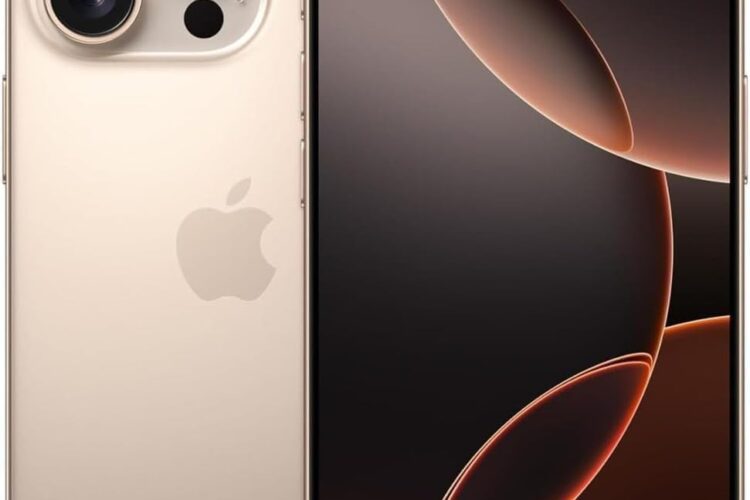
The smartphone market continues to evolve with manufacturers offering multiple tiers within their flagship lineups. Apple’s approach involves creating Pro and Pro Max variants, each targeting different user preferences regarding display size and battery endurance. The iPhone 16 Pro represents the standard Pro-tier offering—sitting between the regular iPhone 16 and the larger Pro Max model—making it a compelling option for individuals seeking advanced capabilities without the physical footprint of larger devices.
For anyone evaluating their next smartphone, understanding what distinguishes a Pro model from standard offerings provides important context. The iPhone 16 Pro incorporates advanced camera features, professional-grade processing power, and premium materials in a more manageable form factor than the Max variant. This makes it worth examining whether these capabilities align with actual usage needs and workflows.
Rather than simply listing specifications, this article explores the practical dimensions of the iPhone 16 Pro—how its features translate into real-world usage, who might find it particularly valuable, and what considerations matter before deciding on a purchase. Whether you’re a longtime iPhone user considering an upgrade, someone transitioning from Android, or simply researching what modern flagship phones offer, this guide provides the context needed to make an informed assessment.
Exploring the Core Hardware and Design Elements
Display Characteristics and Visual Experience
The iPhone 16 Pro features a 6.3-inch display, positioning it between compact phones and the larger Pro Max variant. This size represents a middle ground that many users find comfortable for extended handling without feeling unwieldy. For those accustomed to standard-sized phones, it provides noticeably more screen space; for those switching from a Pro Max, it feels more manageable for one-handed operation.
The display technology incorporates Super Retina XDR, which Apple’s terminology describes as offering high contrast and brightness capabilities. In practical terms, this means the screen performs well in outdoor environments where many phones struggle with readability in bright sunlight. The brightness levels support detailed photography review, video editing on mobile, and comfortable extended reading without eye strain.
The refresh rate operates dynamically up to 120Hz, enabling smooth scrolling and motion display. The variability in refresh rate becomes noticeable when navigating between applications or scrolling through content-heavy feeds—motion appears fluid rather than jagged. However, this enhancement becomes most apparent in specific scenarios; standard web browsing, email reading, and static content don’t necessarily showcase the benefits of higher refresh rates.
One distinctive feature involves the Dynamic Island, which replaces the traditional notch. Rather than a static black bar at the top, this adaptive area changes shape and function depending on what’s happening on the device. During calls, it displays call information; during navigation, it shows directions; during music playback, it displays now-playing controls. This design represents a philosophical shift in how information is presented, transforming what was previously dead space into functional interface real estate.
The always-on display capability shows information continuously without fully activating the screen. Time, date, notification counts, and calendar events remain visible even when the device is locked. For users who frequently glance at their phones for quick information, this capability reduces the unlock-and-navigate steps that would otherwise be necessary.
The Titanium Construction and Aesthetic
The Desert Titanium finish represents one of several color options, offering a sophisticated appearance that shifts subtly depending on lighting conditions. Unlike glossy finishes that highlight fingerprints prominently, the matte titanium surface resists visible smudging more effectively, maintaining a cleaner appearance throughout daily use.
Titanium construction provides meaningful practical advantages compared to traditional aluminum. The material weighs less while offering superior strength, making the device simultaneously lighter and more durable. The density of titanium creates a premium tactile experience—the device feels substantial without being heavy. The flat-edged design common to modern iPhones provides a grippier surface compared to curved edges, affecting comfort during extended holding.
The rear panel uses Ceramic Shield, a glass variant engineered for improved drop resistance. While still breakable, Ceramic Shield demonstrates greater durability than standard glass when accidentally dropped on hard surfaces. The protective benefit doesn’t make the device unbreakable, but it does increase the likelihood of surviving accidental impacts without damage.
Processing Capability and System Performance
The iPhone 16 Pro incorporates the A18 Pro processor, Apple’s latest mobile processing architecture designed specifically for this generation. The processor architecture handles everything from foundational operating system functions to complex computational tasks. Performance differences between flagship and standard processors become apparent primarily in specific scenarios rather than universal operations.
The device includes 8GB of RAM, managing how smoothly applications run simultaneously and how the system handles multitasking. RAM availability determines how many applications can operate in background memory before the system requires closing applications to free resources. For typical usage patterns, 8GB provides sufficient headroom without noticeable limitations.
Real-world processor differences matter most in three contexts. First, running multiple demanding applications simultaneously—professional editing software, memory-intensive games, complex data processing—taxes the processor more heavily on standard devices. Second, applications specifically optimized for high-performance processors showcase capabilities unavailable to older systems. Third, longevity considerations matter because newer processors receive software optimization from developers for longer periods, enabling the device to run newer applications as they’re released without lag or compatibility issues.
Camera System Architecture
The camera system represents a primary distinction between Pro and standard iPhone models. The iPhone 16 Pro includes a triple-lens configuration: a primary wide-angle camera, an ultra-wide lens, and a telephoto lens. This multi-lens approach enables photographers to capture different perspectives without physically repositioning or relying on lower-quality digital zoom.
The primary camera handles the majority of photography situations with autofocus, exposure metering, and color processing handled automatically through computational photography. For casual photographers, these automatic features produce well-exposed, properly white-balanced images without requiring manual adjustment. For photography enthusiasts, professional camera applications provide manual controls over focus, exposure, and other parameters.
The ultra-wide lens captures scenes with an expanded field of view, roughly 120 degrees compared to the primary camera’s approximately 77-degree field. This proves useful for landscape photography, architectural documentation, and situations where stepping backward isn’t possible. The inclusion of ultra-wide capability on Pro models—but not standard iPhone 16 models—represents a key differentiation in camera capability.
The telephoto lens provides 3x optical magnification, enabling zoomed compositions before any digital zoom engagement. Optical zoom maintains image quality compared to digital zoom, which crops and enlarges existing pixels with inevitable quality loss. For portrait photography, telephoto lenses create natural perspective compression that flatters faces, which is why this lens inclusion matters significantly for portrait photography.
Advanced camera features on the Pro model include enhanced Night Mode for low-light photography, computational video stabilization that electronically reduces motion blur during handheld recording, and ProRaw capability that records images with greater color depth and flexibility for post-processing. These features distinguish Pro photography capabilities from standard iPhone photography.
Battery and Charging Systems
The processor efficiency and battery capacity in the iPhone 16 Pro support full-day usage under typical conditions. Battery longevity through a day depends on individual usage patterns—video playback, navigation with screen constantly active, and intensive application use drain batteries faster than sporadic usage with frequent idle periods.
The device supports both wired and wireless charging. USB-C connectivity enables fast charging when using compatible power adapters, reducing charging time compared to standard charging. MagSafe wireless charging provides a magnetic alignment system that positions the device on compatible chargers automatically, which some users find more convenient than older wireless charging that required precise placement.
Battery capacity degrades gradually through charging cycles. After approximately three years of daily charging, batteries typically retain about 80% of their original capacity. iOS includes battery health monitoring that displays current capacity relative to original specification, allowing users to understand how their battery is aging.
Practical Applications and Usage Scenarios
Professional and Creative Workflows
The processing power and advanced camera system make the device suitable for professionals who need mobile computing capabilities. Photographers can review images in detail, adjust camera settings through pro applications, and even perform basic editing during shoots. Videographers can record content with professional stabilization features and review footage on the high-quality display.
The screen quality becomes particularly relevant for professionals who rely on color accuracy. Designers evaluating color in images, photographers checking image quality, and video creators reviewing footage on-location benefit from the accurate color reproduction and brightness levels that Pro displays provide.
Content Creation and Media Production
The combination of computational photography features and manual controls enables intentional creative work. Creators producing content for social media, blogs, or professional portfolios can capture images and videos with characteristics that previously required separate equipment. The night photography capability enables creating compelling content in low-light situations where traditional smartphone photography produces dark, noisy results.
The processor handles demanding applications like photography editing software, video editing, and color correction without lag. Complex operations like applying filters to batches of photos or rendering video timelines operate smoothly, making the device practical for mobile content production.
Extended Gaming and Interactive Applications
The processor and 120Hz display support graphically demanding games and interactive applications smoothly. Games designed to leverage high-performance processors display enhanced graphics and higher frame rates compared to standard iPhone versions of the same games. The larger screen compared to standard iPhones provides more usable space for game interfaces and controls.
For extended gaming sessions, the display quality and performance enable comfortable, immersive experiences. The refresh rate creates particularly smooth motion during fast-paced gameplay, reducing motion blur and creating more responsive-feeling interactions.
Accessibility and Productivity
The screen size provides benefits for users with vision challenges. Text and interface elements appear larger without requiring system-wide zoom adjustments that distort layouts. The always-on display enables quick reference to calendar events, time, and notifications without full unlocking sequences.
Productivity applications like word processing, spreadsheet management, and document collaboration function smoothly. Split-screen multitasking enables running two applications side-by-side, useful for research-and-writing workflows or comparing information between apps.
Identifying Suitable Users and Use Cases
Professional Photographers and Videographers
Individuals whose work involves photography or video benefit from the advanced camera capabilities and manual control options. The telephoto lens, enhanced night mode, and computational video stabilization support professional-quality capture on mobile devices. The ability to review and assess images immediately on the high-quality display adds practical value to mobile workflows.
Creative Professionals with Mobile Requirements
Designers, editors, and content creators who need portable devices for their work appreciate the processing power and display quality. The ability to run professional applications, edit content, and evaluate work on color-accurate displays enables productive remote work scenarios.
Enthusiast Photographers Without Separate Equipment
Photography hobbyists interested in pursuing the hobby more seriously might find the advanced camera system sufficient without investing in separate camera equipment. The manual controls and advanced features enable learning photography principles while maintaining portability.
Individuals Valuing Software Longevity
Users whose technology decisions consider extended device lifetime appreciate Apple’s track record of supporting devices with software updates for five to seven years. The processor and materials in Pro models enable devices to remain functional and current longer than budget alternatives, relevant for users who prefer not upgrading frequently.
Users in Apple Ecosystems
Individuals with multiple Apple devices—MacBooks, iPads, Apple Watches—benefit from ecosystem integration. Seamless handoff between devices, synchronized notifications, unified photo libraries, and cross-device collaboration features create workflows where the iPhone functions as part of a larger system.
Users Preferring Standard Phone Sizes
Individuals who find the Pro Max size too large but desire Pro-tier features find the standard Pro size appealing. It provides advanced capabilities in a form factor that remains comfortable for one-handed operation for many users.
Early Adopters and Technology Enthusiasts
Users interested in having access to the latest technology as it becomes available gravitate toward flagship devices. These devices receive first access to innovative features before they eventually trickle down to older models.
Important Considerations Before Selection
Form Factor and Practicality
The 6.3-inch display represents a moderate size—noticeably larger than standard phones but smaller than Pro Max variants. Users with smaller hands or those accustomed to compact devices need adjustment time to develop comfort with the size. One-handed operation is possible but requires deliberate positioning for reaching all screen areas comfortably.
The device requires appropriate carrying solutions. Larger pockets may accommodate it, but tighter fits risk discomfort or dropped devices. Smaller bags might not accommodate it alongside other items. Users should consider how the size fits their actual daily carrying patterns.
Storage Capacity and Management
The 256GB capacity represents a substantial amount of storage for most individual users. This capacity accommodates thousands of high-resolution photos, hundreds of hours of video, and numerous applications. Users maintaining extensive personal media archives might find themselves managing storage, while typical users operate well within available capacity.
Storage cannot be expanded through microSD cards or similar accessories—the capacity selected at purchase represents the permanent maximum. Users exceeding storage capacity can rely on cloud services, though ongoing subscription costs apply. Evaluating personal storage needs helps determine whether 256GB suffices.
Software Evolution and Updates
Apple releases annual iOS updates with new features and interface changes. While these updates provide security improvements and new capabilities, they also modify existing behaviors. Users preferring device stability might find continuous updates disruptive, while others appreciate periodic improvements.
Premium Pricing and Value Alignment
Pro models command premium pricing that reflects advanced components, materials, and processing capabilities. Understanding whether personal usage patterns genuinely utilize these capabilities helps evaluate whether the premium pricing aligns with actual benefit.
Users employing primarily basic functions—communication, social media, web browsing—might find advanced capabilities underutilized compared to standard iPhone 16 models at substantially lower prices. Conversely, professionals and enthusiasts whose workflows depend on specific Pro features may find the investment justified.
Environmental Considerations
Manufacturing premium devices requires material extraction and energy consumption. Premium phones use more resources during manufacturing compared to standard models. However, extended software support enabling five to seven years of usage offsets manufacturing impact through reduced replacement frequency.
Titanium production has different environmental implications than aluminum alternatives. Users concerned about manufacturing impact should research specific material sourcing and production practices.
Understanding Pro Models Within Smartphone Categories
What Distinguishes Pro Tier Offerings
Pro designation in the smartphone market typically indicates advanced processing capability, professional-grade camera systems, premium materials, and extended software support. However, these distinctions represent incremental improvements rather than revolutionary differences in everyday functionality.
Basic tasks—texting, email, social media, web browsing—execute essentially identically across device tiers. The distinction emerges in specific performance-intensive scenarios and in the experience of holding and using the device.
Comparison with Standard iPhone 16
The standard iPhone 16 shares the same processor and basic software capabilities but differs in several areas. The standard model lacks the telephoto lens and ultra-wide camera capabilities, incorporating instead a dual-camera system. The display in standard models typically has lower brightness levels and lacks certain display technologies present in Pro models. The materials differ, with standard models using aluminum rather than titanium.
For users whose photography remains casual—standard lighting conditions, no zoom requirements—the difference between standard and Pro cameras may be imperceptible. For individuals photographing frequently in challenging lighting or requiring zoom capabilities, the Pro camera advantages become noticeable.
Comparison with iPhone 16 Pro Max
The Pro Max variant shares nearly identical capabilities but includes a larger 6.7-inch display and larger battery, extending usage time between charges. The choice between Pro and Pro Max relates primarily to size preference and battery endurance needs rather than processing or camera capability differences.
Positioning Relative to Non-Pro Flagships from Other Manufacturers
Other manufacturers offer flagship phones at various price points and capability levels. The premium pricing of Pro models reflects both tangible capabilities—processing power, camera hardware—and intangible factors like materials and manufacturing precision. Comparing specific feature needs against offerings from different manufacturers provides context for evaluating whether Pro-tier pricing aligns with individual requirements.
Frequently Asked Questions
How long will this device receive software updates?
Apple typically provides iOS updates to devices for five to seven years after release, with security updates continuing even longer. The device remains functional beyond this support period, though newer applications may eventually require newer iOS versions.
Is the 256GB storage sufficient for most users?
For typical individual usage, 256GB represents substantial capacity. Photography, video, applications, and documents occupy far less than available storage for most people. Users with extensive personal media libraries, those creating video content regularly, or those downloading entertainment for offline viewing may approach this capacity more quickly.
What does “US Version” mean?
US Version designation indicates the device is configured for operation in the United States, supporting US cellular bands, frequencies, and local requirements. This is relevant for users in the US but less applicable for those in other regions.
Can this device work with any carrier?
The unlocked designation means the device operates with any compatible carrier’s SIM card without requiring carrier-level unlocking. This provides flexibility for switching carriers or using international SIM cards while traveling without carrier intervention.
How does the Desert Titanium finish hold up to daily use?
Titanium resists corrosion and maintains appearance well through normal daily use. The matte finish resists visible fingerprints more effectively than glossy alternatives. Minor scratches are visible but don’t typically affect functionality. Many users use protective cases that cover the finish entirely, which affects appearance perception.
What’s included in the box?
Current iPhone models include the device, USB-C charging cable, and documentation. The power adapter, headphones, and additional chargers require separate purchase. Many users have compatible chargers from previous devices.
Does the device support 5G connectivity?
The iPhone 16 Pro supports 5G connectivity where available. 5G availability varies by location and carrier, with coverage generally expanding but remaining unavailable in many areas. The device operates on 4G LTE and earlier standards in areas without 5G coverage.
How does the always-on display affect battery life?
The always-on display consumes some battery power compared to completely dark screens. However, the display technology enables low-power operation for always-on content, typically representing a minimal percentage of total battery consumption. Most users report only slight battery impact when using the feature.
Can the device be repaired if damaged?
Apple designs devices with limited repairability. Screen replacement, battery service, and other repairs are available through Apple or certified repair providers. Independent repair options remain limited compared to more modular device designs.
How does this model compare to the previous generation?
The iPhone 16 Pro incorporates a newer processor, improved camera capabilities, and enhanced computational photography compared to the previous iPhone 15 Pro. Users with several-year-old iPhones experience more noticeable improvements upgrading to the iPhone 16 Pro than users with recent models would experience.
Conclusion
The iPhone 16 Pro represents a capable premium smartphone combining advanced processing power, professional-grade camera capabilities, and premium materials in a moderately-sized form factor. The device addresses needs of professionals requiring mobile computing capabilities, photography enthusiasts seeking advanced image capture, and users valuing extended software support and material quality.
However, the device isn’t universally necessary. Many users find standard iPhone 16 models perfectly adequate for their actual usage patterns, while budget-conscious users might discover mid-range phones from any manufacturer fulfill their needs satisfactorily. The practical value depends on whether personal usage genuinely benefits from the advanced features and whether the premium pricing aligns with perceived value.
For individuals whose photography involves challenging lighting or zoom requirements, whose workflows demand powerful mobile processing, or whose technology philosophy emphasizes extended device longevity, the iPhone 16 Pro offers meaningful advantages over standard offerings. For others, a careful assessment of actual needs versus desired capabilities provides important perspective on whether the premium investment makes practical sense.
If you’re interested in exploring more specifications, reading detailed reviews, or making a purchase decision. This article provides context for understanding what the iPhone 16 Pro offers, enabling you to make decisions aligned with your actual mobile technology needs.