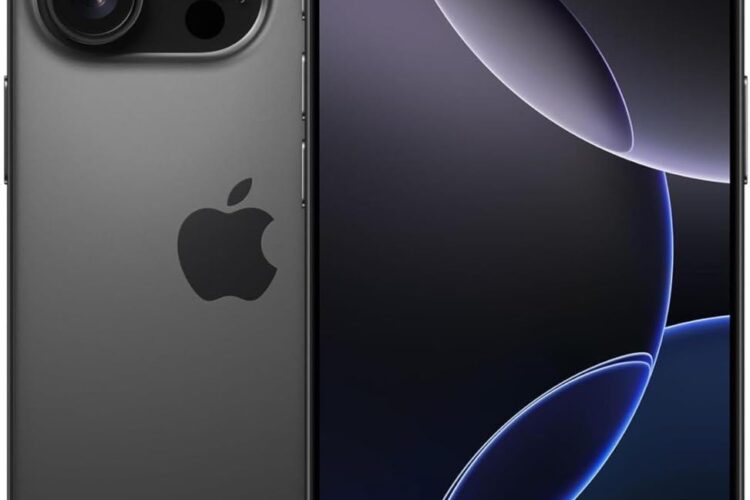
The smartphone market has evolved significantly over the past decade, with manufacturers continuously pushing the boundaries of what’s possible within a handheld device. The iPhone 16 Pro Max represents one of the latest entries in the premium smartphone category, combining a larger display with advanced processing capabilities in a titanium-bodied design. For those considering a new flagship device or simply curious about what modern premium smartphones offer, understanding the features and capabilities of this model can provide valuable context for making informed decisions about mobile technology.
This article explores the various aspects of the iPhone 16 Pro Max, examining its features, potential use cases, design considerations, and the broader category of premium smartphones. Rather than making claims about superiority or recommending specific purchases, we’ll focus on providing practical information that helps readers understand what this device offers and whether its capabilities align with typical usage patterns.
Key Features and Technical Specifications
The Display and Design
The iPhone 16 Pro Max features a 6.9-inch display, making it one of the larger phones currently available in the premium market segment. This size represents a notable consideration for everyday use—larger screens provide more screen real estate for content consumption, but they also require different handling approaches and may not fit comfortably in all pockets or hand sizes.
The display uses Super Retina XDR technology, which refers to the high-contrast capabilities and brightness levels that Apple implements in their premium models. These screens typically offer increased brightness compared to standard displays, which can be particularly useful when viewing content outdoors or in brightly lit environments. The refresh rate on modern flagship devices like this typically operates at variable speeds up to 120Hz, meaning the screen refreshes 120 times per second—a feature primarily noticeable when scrolling through content or playing games where motion appears smoother.
The physical construction uses a titanium frame with a glass back panel. Titanium is significantly lighter than traditional aluminum while offering greater durability, which affects both how the device feels in hand and its resistance to accidental drops or impacts. The Black Titanium finish represents one of several color options available, offering a professional appearance that resists visible fingerprints compared to lighter finishes.
Processing Power and Performance
The device incorporates Apple’s latest processor generation, designed to handle demanding applications, photography processing, and multitasking operations. Modern processors in flagship phones typically manage everything from basic tasks to computationally intensive work. For context, this processing power far exceeds what was considered high-end just a few years ago, yet most everyday tasks—texting, social media, web browsing—don’t fully utilize these capabilities.
The device includes 8GB of RAM as standard, which manages how many applications can run simultaneously without slowdown. The 256GB storage variant refers to the internal storage capacity; this is the base level for this particular model and represents a meaningful amount of space for applications, photos, videos, and other media. For context, 256GB can typically store thousands of high-resolution photos, hundreds of videos, and numerous applications before approaching capacity, though individuals with extensive media libraries may find themselves managing storage more actively.
Camera System
The camera configuration represents one of the areas where premium smartphones distinguish themselves from mid-range options. The iPhone 16 Pro Max includes a multi-lens camera system with primary, ultra-wide, and telephoto lenses. This setup allows photographers to capture content at different focal lengths without significant quality loss.
The primary camera handles most standard photography situations, the ultra-wide lens captures scenes with a broader field of view (useful for landscapes or architectural photography), and the telephoto lens enables zoomed compositions without the quality degradation that comes from digital zoom. The system includes advanced computational photography features that process images in real-time, adjusting exposure, white balance, and other parameters automatically.
Photography features may include enhanced night mode capabilities, improved stabilization systems for video recording, and advanced focus mechanisms. These features cater to content creators who want advanced photographic control without requiring separate camera equipment. For casual photographers, these capabilities remain available but operate automatically in most scenarios.
Battery and Charging
The device incorporates a battery designed to last through a full day of typical usage, though battery longevity depends significantly on how intensively the device is used. Video playback, navigation, and application use all affect battery consumption at different rates. The battery capacity in the Pro Max variant typically offers longer endurance than smaller iPhone models.
Charging capabilities include both wired fast charging and wireless charging options. The charger is not included in the box with current Apple devices, which represents a consideration for new purchasers. Various third-party charging solutions exist at different price points, and many users have compatible chargers from previous devices.
How This Device Can Be Used
Professional and Creative Work
The processing power and display quality make this device suitable for professionals who need mobile computing capabilities. Photographers can review images in detail on the larger display, video creators can edit content during on-location shoots, and writers can work on longer documents using various available applications. The various connectivity options support file transfers and external accessory connections that facilitate professional workflows.
Content Consumption
The combination of display size, quality, and brightness makes the device well-suited for consuming videos, reading, and browsing. The aspect ratio and size provide more screen space compared to smaller phones, reducing the need for frequent scrolling in some scenarios. The audio capabilities include multiple speakers designed for stereo sound, enhancing the experience of watching video content or listening to audio.
Photography and Videography
Beyond casual photography, the camera system supports more deliberate content creation. The manual controls available through various photography applications allow users to adjust focus, exposure, and other parameters. Video recording capabilities support various formats and frame rates, suitable for both casual recording and more intentional content creation.
Gaming and Interactive Applications
The processor and graphics capabilities enable playing graphically intensive games and running interactive applications smoothly. The larger display provides more space for game interfaces, which some players find more enjoyable for extended gaming sessions. The refresh rate supports smooth motion in games designed to take advantage of higher frame rates.
Accessibility and Multitasking
Larger phones can be beneficial for individuals with vision challenges, as text and interface elements appear larger without requiring increased system-wide zoom. The display size also accommodates split-screen multitasking scenarios where two applications run side-by-side, useful for tasks like researching while writing or comparing information between applications.
Who May Find This Device Suitable
Professional Users and Content Creators
Individuals whose work involves photography, videography, or creative applications on mobile devices may appreciate the advanced camera system and processing capabilities. The display quality supports detailed work, and the performance handles demanding applications without lag.
Individuals Seeking Long-Term Device Longevity
Premium smartphones typically receive software support for extended periods—usually five to seven years of updates. The robust construction and materials chosen for premium models often translate to devices that remain functional and relevant longer than budget alternatives. This matters for individuals who prefer not to upgrade devices frequently.
Users Requiring Device Longevity and Reliability
Apple’s ecosystem and manufacturing processes prioritize reliability. For users who depend on their phone as a critical tool and need high confidence in performance, premium quality construction can represent a practical investment.
Photography Enthusiasts Without Dedicated Cameras
The camera system offers capabilities that previously required separate equipment. Photography enthusiasts who prefer carrying a single device rather than managing separate cameras may find the system sufficient for their creative pursuits.
Individuals in Existing Apple Ecosystems
Users with MacBooks, iPads, or Apple Watches benefit from integration features built into Apple’s ecosystem. Seamless handoff between devices, synchronized notifications, and shared media libraries create workflows where the iPhone functions as part of a larger system rather than as an isolated device.
Power Users and Early Technology Adopters
Individuals interested in having access to the latest technology and features available in the smartphone market may gravitate toward flagship devices as they’re released. These devices often receive first access to new software capabilities and features before they eventually reach older models.
Important Considerations Before Use
Display Size and Physical Handling
The 6.9-inch display makes the device significantly larger than many smartphones. For individuals with smaller hands or those accustomed to standard-sized phones, this size requires adjustment. One-handed operation becomes less practical, and the device may not fit comfortably in all pockets or small bags.
Cost and Value Perception
Premium smartphones represent substantial investments. Evaluating whether the features and capabilities justify the cost depends on individual needs and usage patterns. Someone primarily using a phone for calls, texts, and web browsing may not require the advanced capabilities present in this device. Conversely, professionals depending on mobile computing may find the investment practical.
Software Support and Updates
While Apple typically supports devices with software updates for extended periods, this also means the device is always subject to changes in the operating system. Some users prefer devices that remain on stable versions they’re comfortable with, while others appreciate continuous improvements and security updates.
Environmental Factors
The device uses environmentally-sensitive materials. Water resistance standards indicate the device can handle submersion under specific conditions, but it requires proper care. Sand, saltwater, and extreme temperatures can affect performance or longevity. Users regularly in harsh environments should take precautions.
Storage Limitations
The 256GB base storage cannot be expanded through microSD cards or other methods—a locked storage capacity represents a consideration for users with large media collections. Monthly cloud storage subscriptions offer alternative solutions for managing large amounts of data, but ongoing costs apply.
Ecosystem Lock-In
Using various Apple services and features creates integration with the Apple ecosystem. Transferring out of this ecosystem later involves managing data migration, relearning different systems, and potentially losing some integrated functionality.
Learning Curve for New Users
While modern iPhones are considered intuitive, users transitioning from Android or older devices face some adjustment period. The interface logic, available settings, and application ecosystems differ sufficiently to require learning, though most users adapt within days or weeks.
Understanding Premium Smartphones: A Broader Category
What Defines Premium Smartphones
The term “premium” in the smartphone market typically refers to devices positioned at the highest price tiers offered by manufacturers. These devices feature the latest processing technology, advanced camera systems, premium materials, and extended software support. Premium designation reflects manufacturing quality, materials, and engineering capabilities rather than simply having “more features”—features are often incremental improvements rather than entirely new capabilities.
Premium vs. Standard-Tier Devices
Standard or mid-range smartphones offer many of the same basic capabilities as premium models—internet access, photography, social media, productivity—at lower price points. The differences manifest in specific areas: processing power matters mainly for intensive applications, camera quality differences become apparent in low-light conditions or with zoom, display brightness matters primarily in bright environments, and battery capacity affects heavy users more than light users.
Materials and Manufacturing Quality
Premium phones typically use materials like glass, aluminum, or titanium rather than plastic. These materials feel different in hand, resist damage differently, and affect the overall weight and balance of the device. Manufacturing tolerances in premium devices often tighter, affecting fit and finish quality. However, these material differences don’t necessarily translate to better functionality—they affect the experience of holding and using the device.
Camera System Differences
The distinction between premium and standard photography systems involves sensor size, lens quality, computational processing, and the number of lenses. Advanced camera systems in premium phones offer improvements in low-light photography, color accuracy, and zoom capabilities. For casual photography, these differences may be imperceptible, while photography-focused users notice more nuanced improvements.
Processing Power and Real-World Performance
Premium processors in flagship phones exceed the processing requirements of most applications. The difference between flagship and mid-range processors matters primarily in three scenarios: running multiple demanding applications simultaneously, gaming at high frame rates, and processing-intensive tasks like video editing. For sequential single-task usage, the practical performance differences may be minimal.
Frequently Asked Questions
How long does this device typically last?
Software support for Apple devices typically extends five to seven years from release, with hardware lasting considerably longer if treated properly. Battery capacity degrades gradually, typically retaining 80% of original capacity after three years of normal usage. Physical durability depends on handling and environmental factors, though the titanium construction is considerably robust.
Is the device water-resistant?
The device meets water resistance standards allowing submersion under specific conditions, typically to a certain depth for limited duration. This protects against incidental water exposure—rain, spills, brief submersion—but doesn’t permit extended water exposure or use in saltwater environments. The water resistance claim assumes the device is otherwise undamaged.
How does the 256GB storage compare to other storage tiers?
The 256GB variant represents the base storage for this model. Users with extensive photo libraries, video collections, or application suites might prefer higher storage tiers, while those primarily using cloud services and streaming might find 256GB sufficient.
What’s included in the box?
Current-generation Apple phones typically include the device, a USB-C charging cable, and documentation. The power adapter, headphones, and charger are sold separately, requiring additional purchase if not already owned.
Can this device be repaired by third parties?
Apple designs devices with limited repairability, and most repairs require official Apple service or certified repair providers. Component availability for third-party repairs is limited, making official service the most practical option for most repairs.
How does this model compare to the standard iPhone 16?
The Pro Max variant offers a larger display and longer battery endurance compared to standard models. The camera systems differ with the Pro version including additional pro features and manual controls. Processing power is typically identical. The Pro Max is primarily distinguished by display size and extended battery life.
What operating system does this device use?
The device runs iOS, Apple’s proprietary operating system designed specifically for iPhone. iOS updates are released annually with security updates released regularly. The operating system cannot be replaced with alternative systems—iOS is exclusive to Apple devices.
Is the device truly “unlocked”?
An unlocked device means it’s not tied to any specific carrier and will work with any compatible carrier’s SIM card. This provides flexibility for choosing carriers or switching between them without requiring the carrier to “unlock” the device.
How does battery health affect the device over time?
Batteries degrade with repeated charging cycles, gradually losing capacity. iOS includes a battery health feature showing current capacity compared to when new. When battery health drops significantly, the device may implement performance scaling to preserve remaining battery life.
What kind of connectivity options exist?
The device supports 5G cellular connectivity where available, Wi-Fi 6E and Wi-Fi 7 standards, Bluetooth connectivity for wireless accessories, and NFC for specific applications. These connectivity options affect how quickly data transfers and how the device communicates with other devices.
Conclusion
The iPhone 16 Pro Max represents the current flagship offering in Apple’s smartphone lineup, combining a large display with advanced processing capabilities and a sophisticated camera system within a premium titanium-and-glass construction. The device addresses needs of professionals requiring mobile computing power, photography enthusiasts seeking advanced image capture without separate equipment, and users desiring extended software support and material quality.
The device is not universally necessary—many users find mid-range or standard smartphones perfectly adequate for their needs—and the premium price reflects its position as a high-end offering rather than an essential upgrade for existing smartphone owners. The practical value depends on individual usage patterns, creative requirements, and preferences regarding device longevity and ecosystem integration.