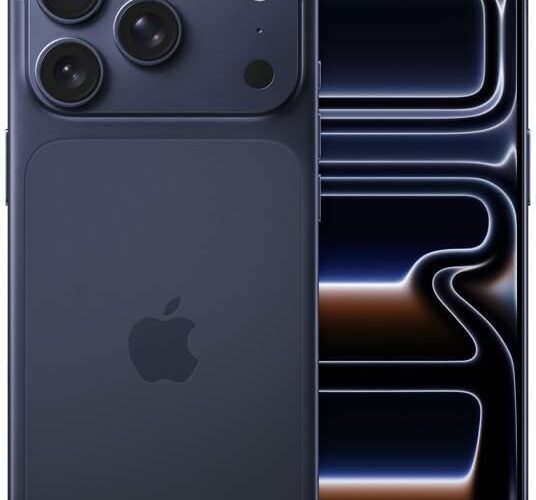
Apple’s smartphone lineup continues to evolve with each generation, incorporating technological advances and design refinements that shape how millions of people communicate, create, and connect. The iPhone 17 Pro, released in September 2025, represents the current flagship offering in Apple’s standard Pro tier—positioned between the regular iPhone 17 and the larger Pro Max variant. For individuals evaluating their smartphone options, understanding what this latest generation delivers provides important context for making informed technology decisions.
The iPhone 17 Pro incorporates several significant improvements over previous generations, particularly in thermal management, camera capabilities, and battery performance. The device introduces an aluminum unibody design with a vapor chamber cooling system, a redesigned triple-lens camera system with enhanced telephoto capabilities, and the integration of Apple Intelligence features throughout the operating system. The addition of eSIM-only technology represents a notable shift in how connectivity functions on this device.
This article explores the iPhone 17 Pro comprehensively, examining its hardware features, practical applications, design considerations, and the specific advantages and considerations of the unlocked US version. Rather than making recommendations or claims about superiority, we focus on providing factual information that helps readers understand what this device offers and whether its capabilities align with specific needs and usage patterns.
Core Hardware and Technical Architecture
Display Technology and Visual Capabilities
The iPhone 17 Pro features a 6.3-inch OLED display with 120Hz refresh rate. This screen size positions the device in the standard flagship category—noticeably larger than many phones yet more manageable than the Max variant. The OLED technology provides significant advantages over older LCD displays, including deeper blacks through pixel-level light control, higher contrast ratios, and more vibrant color reproduction.
The display achieves 1000 nits max brightness (typical); 1600 nits peak brightness (HDR); 3000 nits peak brightness (outdoor). These brightness levels enable clear visibility in outdoor environments where many phones struggle with readability. The outdoor brightness capability becomes particularly valuable for photography, navigation in bright conditions, and video watching in various lighting environments.
The 120Hz ProMotion technology enables variable refresh rates that adjust dynamically based on content. This smooths scrolling through lists, navigating applications, and gaming—motion appears fluid rather than jagged. The variable refresh rate implementation helps preserve battery life compared to displays that constantly operate at maximum refresh rates, as lower refresh rates suffice for static content.
The Dynamic Island design represents a software-hardware integration where an adaptive area at the top of the display changes shape and content based on what’s happening on the device. During calls, it displays call information; during navigation, it shows directions; during music playback, it shows now-playing controls and playback interaction. This design transforms what was previously dead space into functional interface real estate, and the interactive capability enables controlling functions directly from the Dynamic Island without opening full applications.
The always-on display continuously shows time, date, notification counts, and other information without fully activating the screen. This capability reduces the number of times users need to unlock and navigate the device for quick information checks.
Processor and Processing Architecture
The iPhone 17 Pro features an A19 Pro chip with a specifically designed GPU architecture for this generation. The processor handles all computational work from basic operating system functions to complex calculations in demanding applications. For context about processing power and practical implications: everyday tasks like messaging, email, social media browsing, and web navigation place minimal demands on processors. The differentiation between processing tiers becomes apparent in specific scenarios.
The device includes 12GB RAM, managing how applications run in memory and how smoothly the system handles multitasking. RAM availability determines how many demanding applications can operate simultaneously without the system closing background processes. For typical usage patterns, 12GB provides substantial headroom for running multiple applications without noticeable slowdown.
Real-world processor advantages manifest in three primary contexts. First, running multiple demanding applications simultaneously—professional editing software, complex games, intensive data processing—taxes the processor more heavily. Second, applications specifically optimized for the latest processor showcase capabilities unavailable to older systems. Third, longevity considerations matter because developers continue optimizing for newer processors for extended periods, enabling the device to run newer applications smoothly years into the future.
The Redesigned Thermal Management System
The iPhone 17 Pro models feature a new thermal design, specifically incorporating a vapor chamber where deionized water sealed inside moves heat away from the A19 Pro chip, allowing for even higher sustained performance. This thermal innovation addresses a limitation present in previous models—thermal throttling, where processors reduce performance to manage heat during intensive tasks.
The practical implications of improved thermal management include: sustained performance during extended gameplay or video recording without the processor downclocking to lower speeds; more consistent video stabilization during long recording sessions; and the ability to perform intensive computational tasks without experiencing lag as heat accumulates. For professionals editing video or photography in mobile workflows, maintaining consistent performance throughout work sessions provides significant practical benefit.
Material Construction and Design Philosophy
The iPhone 17 Pro uses a heat-forged aluminum unibody enclosure that maximizes performance, battery capacity, and durability. This unibody construction contrasts with previous designs that used separate frame components; the integrated aluminum structure enhances both structural integrity and thermal conductivity, enabling heat to dissipate more effectively throughout the device.
Ceramic Shield 2 on the front has 3x better scratch resistance compared to previous generations, meaning the display glass resists scratching more effectively from keys, pocket lint, and accidental contact. Ceramic Shield protects the back of iPhone 17 Pro, making it 4x more resistant to cracks, indicating the rear panel withstands impacts better than previous materials.
The Deep Blue finish represents one of the color options available. The specific tone and how it appears depends on lighting conditions—indoor artificial light, natural daylight, and evening lighting each render the color somewhat differently. Many users find the blue tone sophisticated and distinctive compared to neutral grays or silvers, though color preference remains entirely personal.
Storage Architecture and the 256GB Variant
The iPhone 17 Pro is available with 256 GB storage, and the device supports no external expansion through microSD cards or similar methods. The 256GB capacity represents a meaningful amount of storage: approximately 1,500 to 2,500 high-resolution photos, multiple hundreds of hours of music, or hundreds of applications depending on their individual sizes. Operating system space and preinstalled applications consume a portion of the total capacity, leaving slightly less for user content.
Storage adequacy depends on individual usage patterns. Users maintaining extensive personal photo archives from professional work, downloading movies and television shows for offline viewing, or maintaining libraries of high-resolution games may find themselves managing storage more actively. Cloud services provide alternatives for storage expansion through ongoing subscription costs, enabling users to work effectively with device-based storage if needed.
Advanced Connectivity and eSIM Implementation
iPhone 17 Pro and iPhone 17 Pro Max use advanced eSIM technology, representing a shift toward digital SIM implementation rather than physical SIM cards. eSIM technology enables activating carrier service through digital means without requiring physical SIM card insertion. Practically, this provides several advantages: no risk of lost or damaged SIM cards, ability to switch carriers without visiting retail locations in some circumstances, and support for multiple carriers through dual eSIM capability.
Apple designed a custom networking chip for the iPhone 17 models, called the N1, which combines Wi-Fi 7 and Bluetooth 6. These connectivity standards represent the latest generations available, supporting faster data speeds and improved efficiency compared to previous standards. The practical benefits include faster Wi-Fi speeds when connected to compatible networks, more efficient Bluetooth operation enabling extended wireless accessory battery life, and improved connectivity performance in crowded wireless environments.
The Redesigned Camera System and Photography Capabilities
The iPhone 17 Pro features a telephoto with 8x optical-quality zoom, making this the longest iPhone Telephoto ever — offering 16x total optical zoom range. This represents a significant upgrade from previous generations, enabling more distant subjects to be captured in detail without resorting to lower-quality digital zoom.
The telephoto features the next generation of tetraprism design and a 56 percent larger sensor. The larger sensor captures more light in lower-lighting conditions, enabling higher-quality zoomed images even when lighting is suboptimal. The tetraprism optical design enables the extended zoom range within the device’s physical dimensions.
The device features 48 MP + 48 MP + 48 MP triple rear camera configuration, meaning each lens captures at 48-megapixel resolution. This provides substantial detail in captured images, supporting large prints and significant cropping during post-processing without quality loss.
The device captures super-high-resolution 24MP photos by default, meaning the system combines information from the high-resolution sensor to produce optimized output that balances detail with file size. Computational photography processes each image in real-time, automatically adjusting exposure, white balance, focus accuracy, and other parameters.
Night mode captures sharp, detailed, bright images with natural colors, even when it’s dark. The computational approach captures multiple frames and processes them to create well-exposed images in lighting conditions where traditional cameras produce dark or noisy results. For event photography, low-light portraiture, or photography in dimly lit venues, this capability provides noticeable practical improvement.
Professional photography applications provide manual controls enabling photographers to adjust focus, exposure, ISO, white balance, and other parameters. This manual capability accommodates photographers wanting deliberate control over image characteristics.
Battery Performance and Endurance Improvements
The device provides a 20% improvement in video playback duration compared to previous models. The combination of larger battery capacity accommodated by the aluminum unibody design and processor efficiency improvements enables extended usage time. Battery endurance through typical daily usage reaches full-day operation, with variations depending on individual usage intensity.
The device supports both wired and wireless charging. Wired charging with compatible high-power adapters reduces time to full charge compared to standard charging. MagSafe wireless charging provides magnetic alignment on compatible chargers, which some users find more convenient than older wireless charging requiring precise manual placement.
The device features reverse wireless charging, enabling using the iPhone itself as a charging pad for compatible wireless devices like AirPods or Apple Watches. This feature proves useful when other charging infrastructure isn’t immediately available.
Battery capacity degrades gradually through charging cycles, typically retaining approximately 80% of original capacity after three years of daily charging. iOS includes battery health monitoring that displays current capacity relative to original specification.
Operating System and Apple Intelligence Integration
The iPhone 17 Pro runs iOS 26, Apple’s latest mobile operating system. Apple Intelligence is integrated across your apps and experiences to help you communicate, express yourself, and get things done effortlessly. Apple Intelligence represents Apple’s approach to on-device artificial intelligence, with processing occurring on the device rather than sending data to external servers.
Apple Intelligence features include image creation through Image Playground, smart replies automatically suggesting contextual responses in Mail and Messages, writing tools for tone adjustment and proofreading, and visual intelligence activating by pointing your camera at objects. These features integrate throughout applications and workflows rather than existing in isolated applications.
Practical Applications and Usage Scenarios
Professional Photography and Content Creation
The advanced camera system enables photographers to pursue creative work without carrying separate equipment. The 8x optical zoom capability enables capturing distant subjects with clarity, the enhanced night mode supports low-light photography, and the 48-megapixel resolution provides substantial detail for large prints and significant cropping. Professional photographers can leverage manual controls through photography applications to adjust parameters precisely.
Content creators producing photography for social media, blogs, or professional portfolios can capture material with characteristics previously requiring dedicated camera equipment. The combination of multiple focal lengths, computational photography processing, and manual control options enables sophisticated image creation on a mobile device.
Video Production and Mobile Workflows
The processing power and improved thermal management enable running video editing applications smoothly. Content creators can edit footage, adjust color grading, and apply effects without thermal throttling interrupting performance. The stabilization system reduces motion blur in handheld video recording, creating professional-appearing footage without additional equipment.
Media Consumption and Entertainment
The large, high-quality OLED display creates an engaging platform for watching videos, reading content, and consuming media. The brightness levels enable comfortable viewing outdoors without excessive brightness adjustment. The 120Hz refresh rate creates smooth motion during video playback, enhancing the viewing experience.
Accessibility and Productivity
Users with vision challenges benefit from the larger screen, as content appears larger without requiring system-wide zoom adjustments that distort layouts. The always-on display enables quick reference to calendar events, time, and notifications without full unlocking sequences. Productivity applications like word processing, spreadsheet management, and document collaboration function smoothly with the processing power available.
Professional Gaming and Graphics-Intensive Applications
The processor and 120Hz display support graphically demanding games smoothly. Games designed to leverage the latest processor showcase enhanced graphics and higher frame rates compared to older device versions. The larger screen provides expanded interface space for game controls, which some players find more enjoyable for extended sessions.
Identifying Suitable Users
Professional Photographers and Videographers
Individuals whose work involves photography or video benefit from the advanced camera system and manual controls. The 8x optical zoom, enhanced night mode, improved thermal management for sustained video recording, and computational photography features support professional-quality capture on a mobile device.
Creative Professionals with Mobile Requirements
Designers, editors, and content creators needing portable devices appreciate the processing power for running professional applications, the display quality for evaluating work, and the connectivity options enabling efficient file transfers.
Photography and Video Enthusiasts
Hobbyists pursuing photography or videography seriously might find the advanced camera system sufficient without separate equipment investment. The manual controls and advanced features enable learning photography principles while maintaining device portability.
Users Prioritizing Latest Technology
Individuals interested in having the latest smartphone technology as it becomes available gravitate toward current flagship devices. The iPhone 17 Pro provides access to current technology, features, and software innovations before they eventually reach older models.
Users Valuing Extended Software Support
Apple typically supports devices with software updates for five to seven years after release. Users whose technology decisions consider device longevity appreciate this extended support window, enabling devices to remain functional and current longer than devices with shorter support periods.
Users in Apple Ecosystems
Individuals with multiple Apple devices—MacBooks, iPads, Apple Watches—benefit from ecosystem integration. Seamless handoff between devices, synchronized notifications, unified photo libraries, and cross-device collaboration features create workflows where the iPhone functions as part of a larger system.
Users Preferring Standard Phone Sizes
Individuals finding the Pro Max size too large but desiring Pro-tier features find the standard Pro size appealing. The 6.3-inch display provides advanced capabilities in a form factor that remains comfortable for many users during one-handed operation.
Important Considerations and Decision Factors
Form Factor and Physical Practicality
The 6.3-inch display represents a moderate size—noticeably larger than standard phones but smaller than Pro Max variants. Users with smaller hands or those accustomed to compact devices need adjustment time. One-handed operation is possible but requires deliberate hand positioning to reach all screen areas comfortably.
The device requires appropriate carrying solutions. Larger pockets may accommodate it, though tighter fits risk discomfort. Standard phone holsters and carriers designed for smaller phones may not provide appropriate fit or protection.
Storage Capacity Management
The 256GB capacity accommodates thousands of high-resolution photos, hundreds of hours of video, and numerous applications. Users maintaining extensive personal media archives might find themselves managing storage more actively, though typical users operate well within available capacity.
Storage cannot be expanded through external options—the capacity selected at purchase represents the permanent maximum. Cloud services provide alternatives, though ongoing subscription costs apply.
eSIM-Only Connectivity
The device uses only eSIM technology without support for physical SIM cards. This requires relying on digital carrier activation, which functions smoothly in standard scenarios but may present challenges in specific situations. Individuals traveling internationally might find eSIM activation with local carriers more straightforward than previous models, though some international carriers may have varying support levels.
Premium Pricing and Value Alignment
The iPhone 17 Pro commands premium pricing reflecting advanced components, latest processing technology, and professional capabilities. Understanding whether personal usage patterns genuinely utilize these capabilities helps evaluate whether the premium pricing aligns with actual benefit.
Software Evolution and Continuous Updates
Apple releases annual iOS updates with new features, interface changes, and improvements. While updates provide security and functionality enhancements, they also modify existing behaviors. Users preferring device stability might find continuous updates disruptive, while others appreciate periodic improvements and access to new capabilities.
Understanding Flagship Smartphones Within Market Categories
Distinguishing Pro Tier Devices
Pro designation in the smartphone market indicates advanced processing capability, professional-grade camera systems, premium materials, and extended software support. These distinctions represent meaningful but incremental improvements rather than revolutionary differences in everyday functionality.
Basic tasks—texting, email, social media, web browsing—execute essentially identically across device tiers. The distinction emerges in specific performance-intensive scenarios and in the experience of holding, viewing, and using the device.
Comparison with Standard iPhone 17
The iPhone 17 has a dual-lens camera system with two 48-megapixel lenses, whereas the Pro model includes a triple-lens system. The standard model also lacks the advanced telephoto capabilities available on the Pro. For users whose photography remains casual with adequate lighting and no zoom requirements, the difference between standard and Pro cameras may be imperceptible.
Comparison with iPhone 17 Pro Max
The Pro Max variant shares nearly identical capabilities but includes a larger display and extended battery endurance. The choice between Pro and Pro Max relates primarily to size preference and battery longevity needs rather than processing or camera capability differences.
Frequently Asked Questions
How long will this device receive software updates?
Apple typically provides iOS updates to devices for five to seven years after release, with security updates continuing beyond that period. The device will remain functional beyond official support timelines, though newer applications may eventually require newer iOS versions unavailable on older hardware.
Is 256GB sufficient storage for typical users?
For most individual usage patterns, 256GB represents substantial capacity. Photography, video, applications, and documents occupy far less than available storage for typical users. Users with extensive personal media libraries, those creating video content regularly, or those downloading entertainment for offline viewing may manage storage more actively.
What does “US Version” signify?
US Version designation indicates the device is configured for operation in the United States, supporting US cellular bands, frequencies, and local regulatory requirements. The unlocked status means it operates with any compatible carrier rather than being restricted to a specific provider.
How does eSIM-only connectivity function practically?
eSIM technology enables activating carrier service through digital means without physical SIM card insertion. Switching carriers typically involves contacting the new carrier, who provisions service digitally. The process functions smoothly in standard scenarios, enabling carrier flexibility without visiting retail locations.
Does this device support international travel?
The eSIM-only approach actually facilitates international travel in some respects. Users can often add local carrier eSIM profiles while traveling, enabling using local carrier service without physical SIM card management. However, the process depends on specific carrier support in visited countries.
What’s included in the box?
The device ships with iOS 26 and necessary documentation. Chargers, headphones, and additional accessories require separate purchase. Many users have compatible chargers from previous devices or can source affordable alternatives through third-party manufacturers.
How does the camera compare to previous iPhone generations?
The iPhone 17 Pro camera represents significant advancement, particularly in telephoto capability and thermal performance during extended recording. The 8x optical zoom and larger telephoto sensor enable capturing more distant subjects with clarity. The improved thermal management ensures consistent performance during extended video recording or photography sessions.
Does this device support 5G connectivity?
The iPhone 17 Pro supports 5G connectivity where available. 5G deployment varies by location and carrier, with coverage expanding but remaining unavailable in many areas. The device operates on 4G LTE and earlier standards in areas without 5G coverage.
What are the key improvements over the previous iPhone 16 Pro?
Notable improvements include the redesigned thermal management with vapor chamber cooling, the advanced 8x optical zoom telephoto system, the integration of Apple Intelligence features, and the 20% improvement in video playback battery life. The unibody aluminum construction and improved scratch resistance on the front Ceramic Shield represent additional refinements.
Is the Deep Blue color prone to visible fingerprints?
Metallic finishes like Deep Blue can show fingerprints, though the visibility depends on lighting conditions and hand oils. Many users use protective cases that cover the finish entirely, which affects appearance perception throughout ownership.
Conclusion
The iPhone 17 Pro represents Apple’s current flagship smartphone, combining advanced processing power, professional-grade camera capabilities, improved thermal management, and premium materials in a moderately-sized form factor. The device represents Apple’s most significant Pro model update in years, with meaningful improvements addressing limitations present in previous generations.
The unlocked US version provides maximum carrier flexibility, enabling use with any compatible carrier without restrictions. The 256GB storage provides substantial capacity for most users, and the Deep Blue finish offers a distinctive aesthetic compared to neutral alternatives.
However, the device isn’t universally necessary. Many users find standard iPhone 17 models perfectly adequate for actual usage patterns, while budget-conscious buyers might discover mid-range phones fulfill their needs satisfactorily. The practical value depends on whether personal usage genuinely benefits from the advanced features and whether the premium pricing aligns with perceived value.
For professionals whose workflows depend on mobile processing power, photographers whose work requires advanced camera capabilities, and users valuing extended device longevity and latest technology, the iPhone 17 Pro offers meaningful advantages. For others, careful assessment of actual needs versus desired capabilities provides important perspective on whether the premium investment makes practical sense.
If you’re interested in exploring more specifications, reading detailed information, viewing options, or making a purchase decision. This article provides context for understanding what the iPhone 17 Pro offers, enabling you to make decisions aligned with your actual mobile technology needs and circumstances.